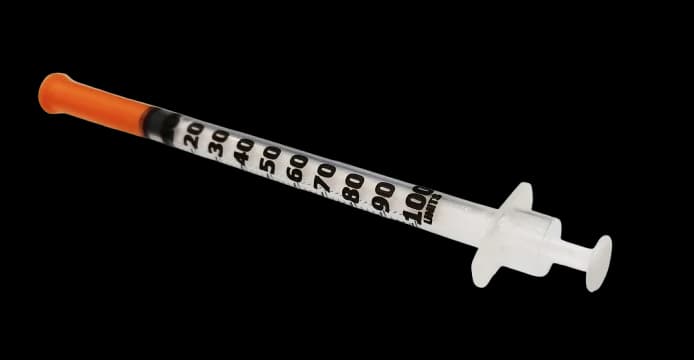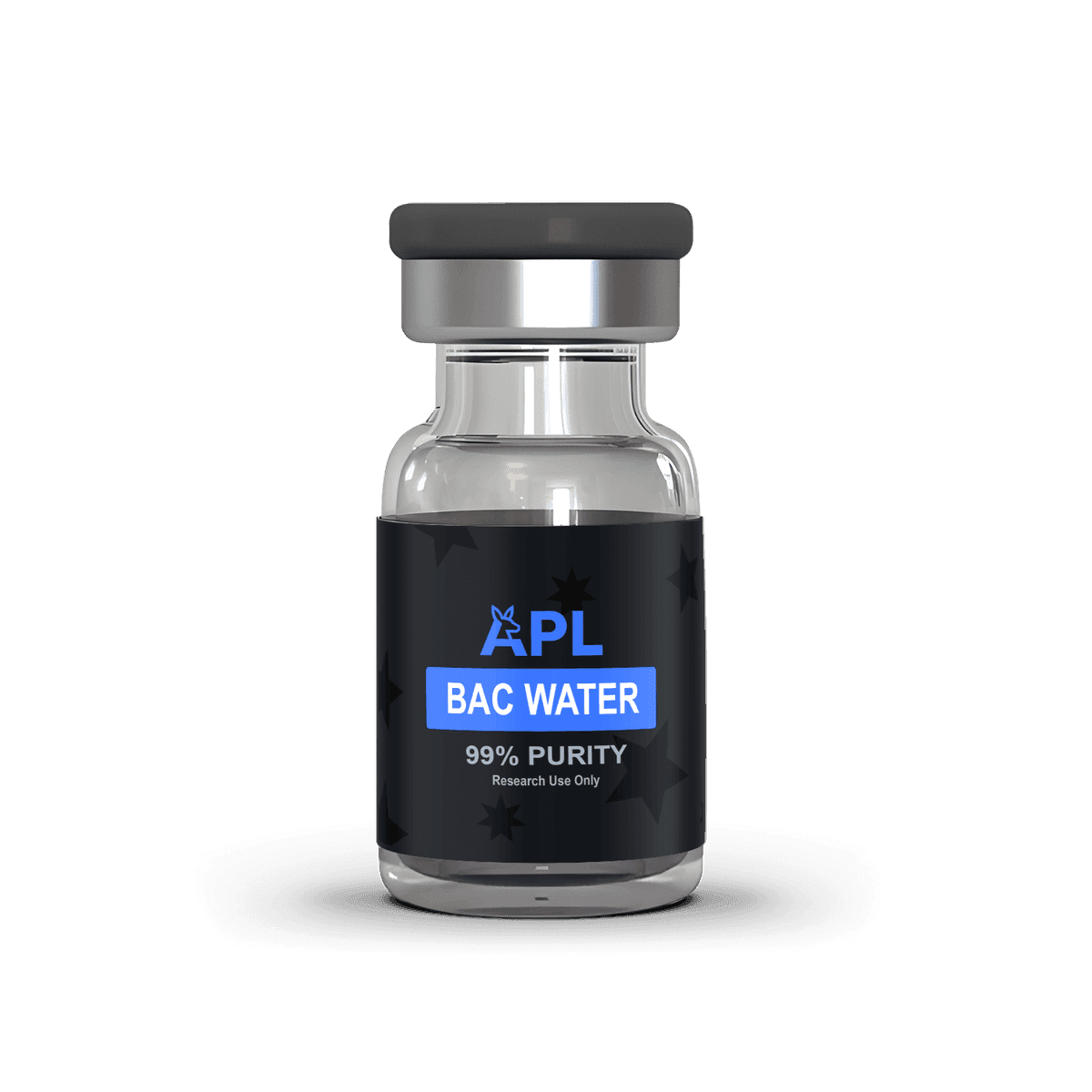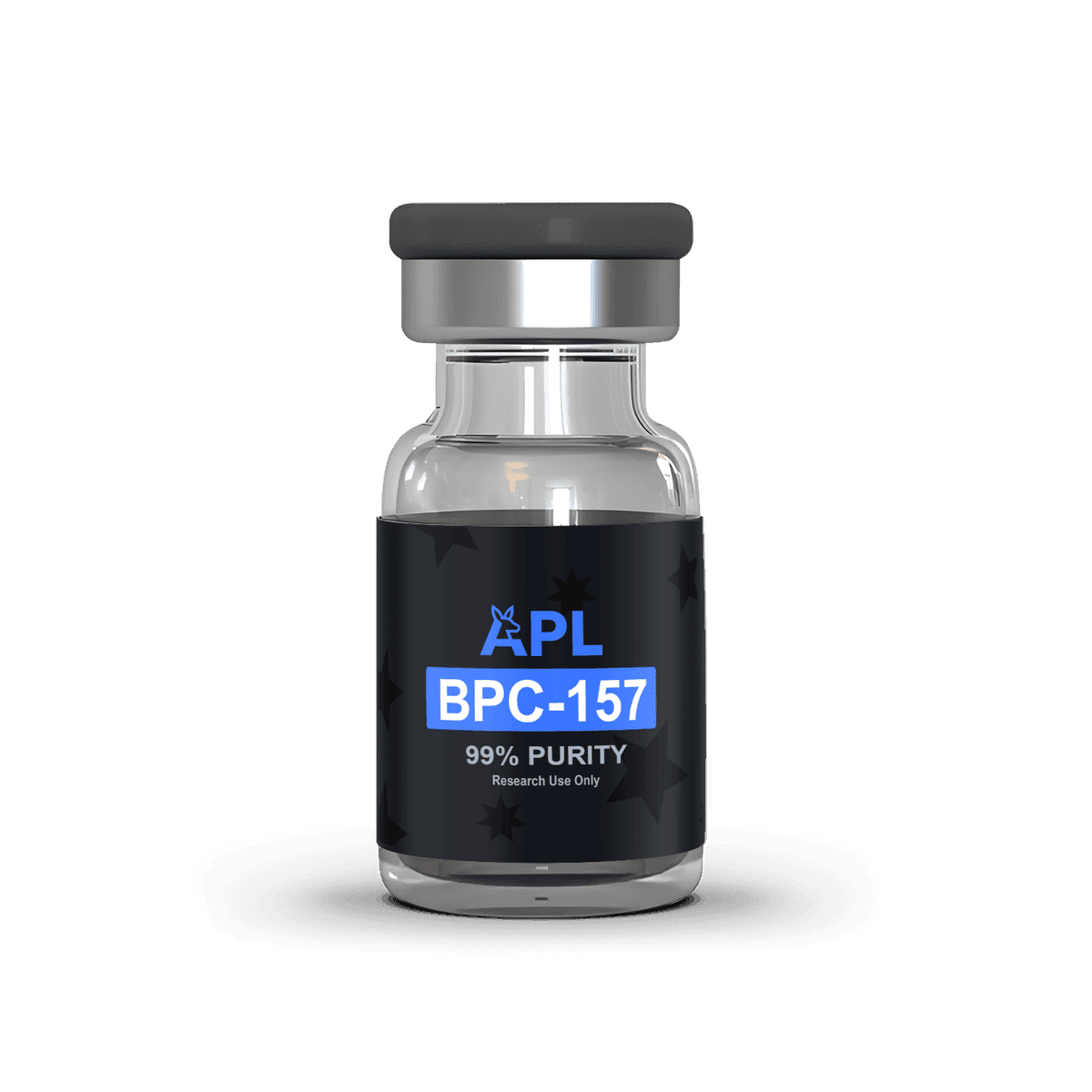
What exactly am I getting?
Lab supplies are listed by what they actually are — manufacturer, size, sterility and pack quantity — on each product page. They carry no purity figure and no Certificate of Analysis; those belong to the peptide batches.
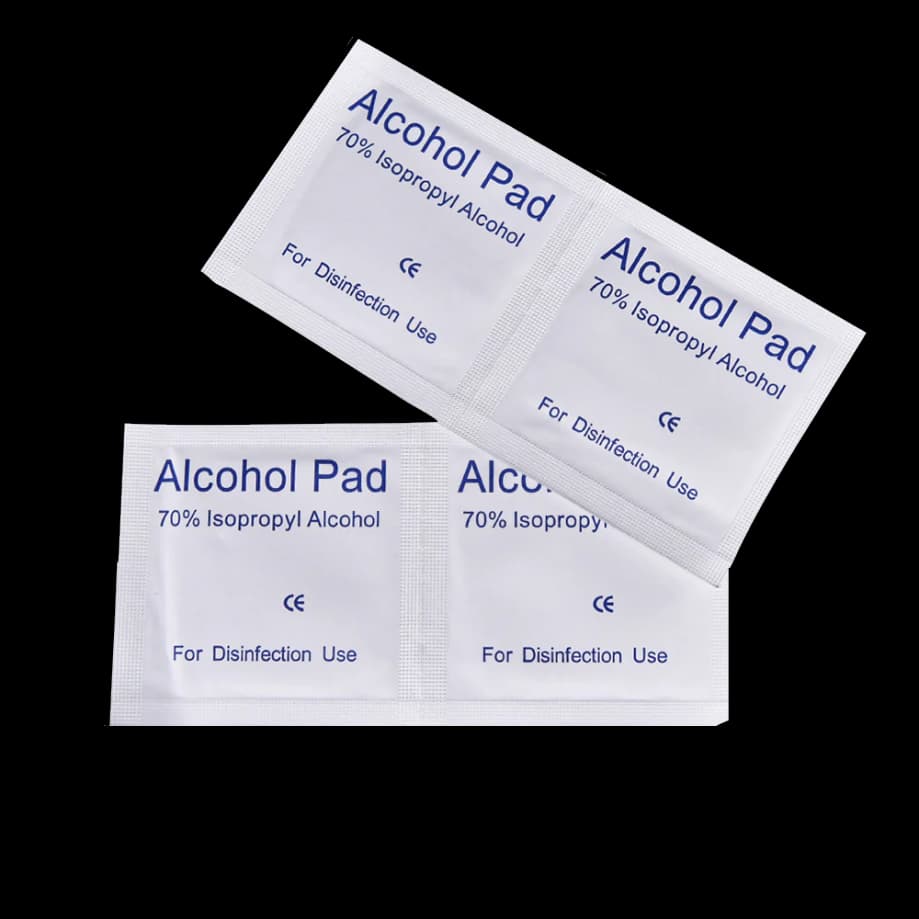
Format
70% isopropyl alcohol prep swab
Packaging
10-pack, individually sealed sachets
Lab supplies · Consumable
10 sterile 70% isopropyl alcohol prep wipes for laboratory peptide handling and clean preparation workflows. Australian stock, fast dispatch.
A$6.99
Select options below
Quantity
Select one
Select your preferred options to continue.
Volume pricing: orders of 3+ items are 15% off — applied automatically at checkout.
Sterile, individually sealed sachets · Dispatched from Melbourne within 1 business day · 4.6★ on Trustpilot
Fast AU dispatch with tracked delivery.
Specifications
Alcohol Wipes
70% isopropyl alcohol prep swab · 10-pack, individually sealed sachets
What it is
Alcohol Wipes are a laboratory consumable: sterile 70% isopropyl alcohol prep swabs in individually sealed sachets, supplied as a 10-pack for clean bench preparation.
Role in the workflow
Wiping vial septa and work surfaces before each withdrawal keeps multi-dose stock solutions free of contamination between uses, which matters for reproducibility across an assay series.
Handling
Open a sachet immediately before use and let the surface dry fully before it contacts vial septa or equipment, so no alcohol carries over. Keep unopened sachets sealed in a cool, dry place.
For laboratory research use only. Not for human or veterinary use, and not for human consumption. Intended for in-vitro and pre-clinical research settings only.
The questions researchers ask most.
Lab supplies are listed by what they actually are — manufacturer, size, sterility and pack quantity — on each product page. They carry no purity figure and no Certificate of Analysis; those belong to the peptide batches.
Keep supplies sealed in their original packaging, in a clean, dry place out of direct light, and check the expiry printed on the pack before use.
Order by 2pm for same-day dispatch from our Melbourne warehouse, otherwise the next business day, with tracked delivery Australia-wide. No customs, no border delays — it's already in the country.
More in the full FAQ · Rated 4.6★ on Trustpilot
Researchers who bought Alcohol Wipes also stock these.
It lists the specifications of Alcohol Wipes (manufacturer: Aaxis; composition: 70% isopropyl alcohol, saturated swab; sterility: Sterile, single-use; packaging: Individually sealed sachets, 10 per pack; intended use: Bench surface and vial-septum decontamination before handling), current pricing, stock visibility and links to related lab supplies.
Wiping vial septa and work surfaces before each withdrawal keeps multi-dose stock solutions free of contamination between uses, which matters for reproducibility across an assay series.
Open a sachet immediately before use and let the surface dry fully before it contacts vial septa or equipment, so no alcohol carries over. Keep unopened sachets sealed in a cool, dry place.
No. Alcohol Wipes are supplied as laboratory consumables for research use only. This page does not provide dosage guidance, treatment claims, or human or animal use instructions.