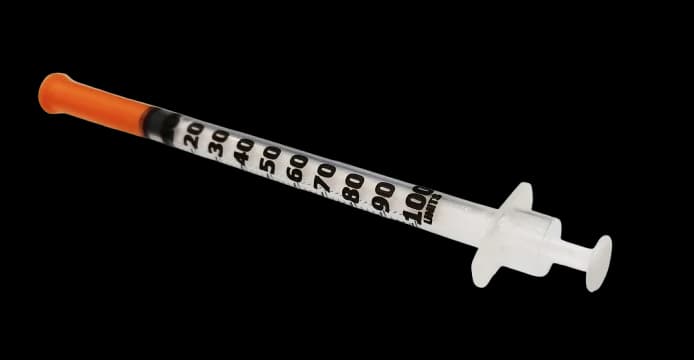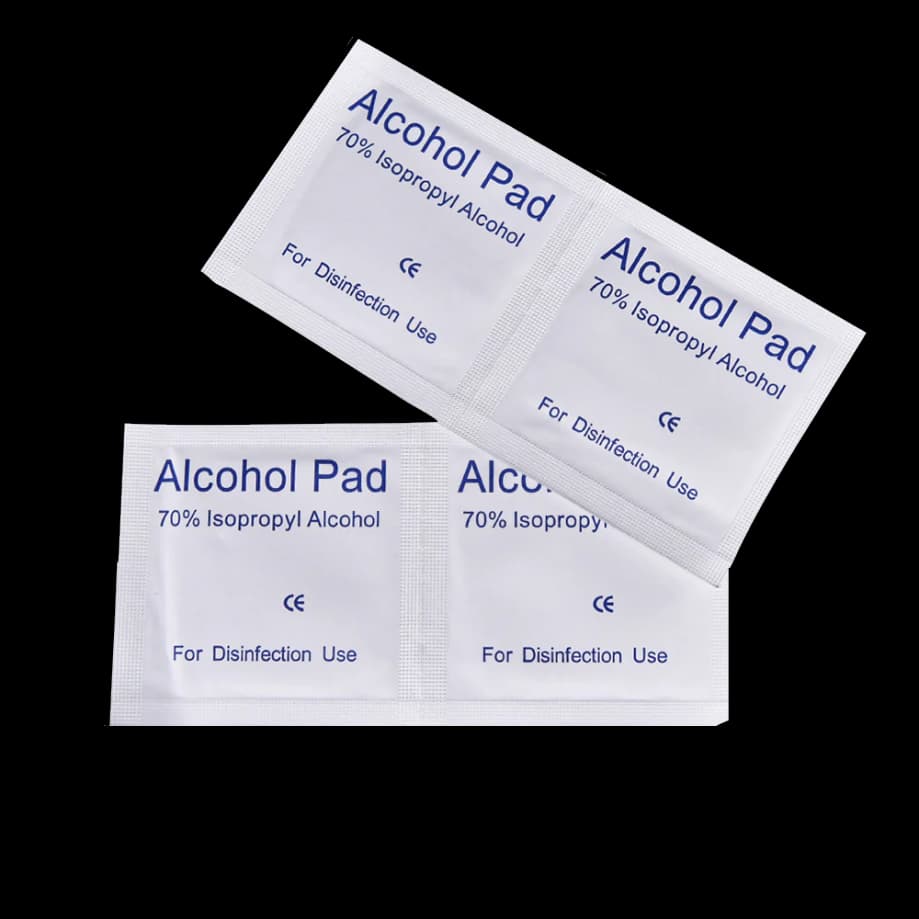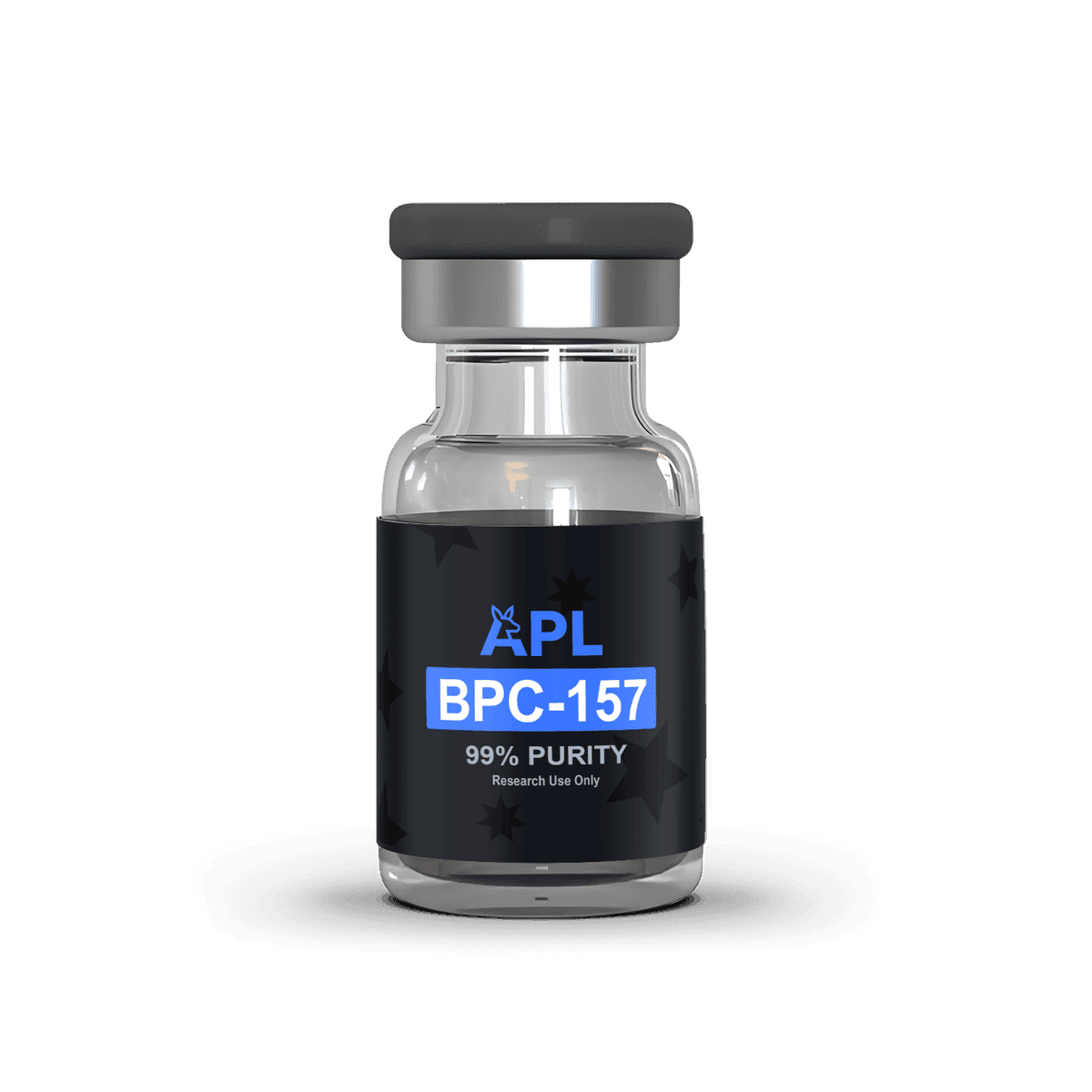
What exactly am I getting?
Lab supplies are listed by what they actually are — manufacturer, size, sterility and pack quantity — on each product page. They carry no purity figure and no Certificate of Analysis; those belong to the peptide batches.
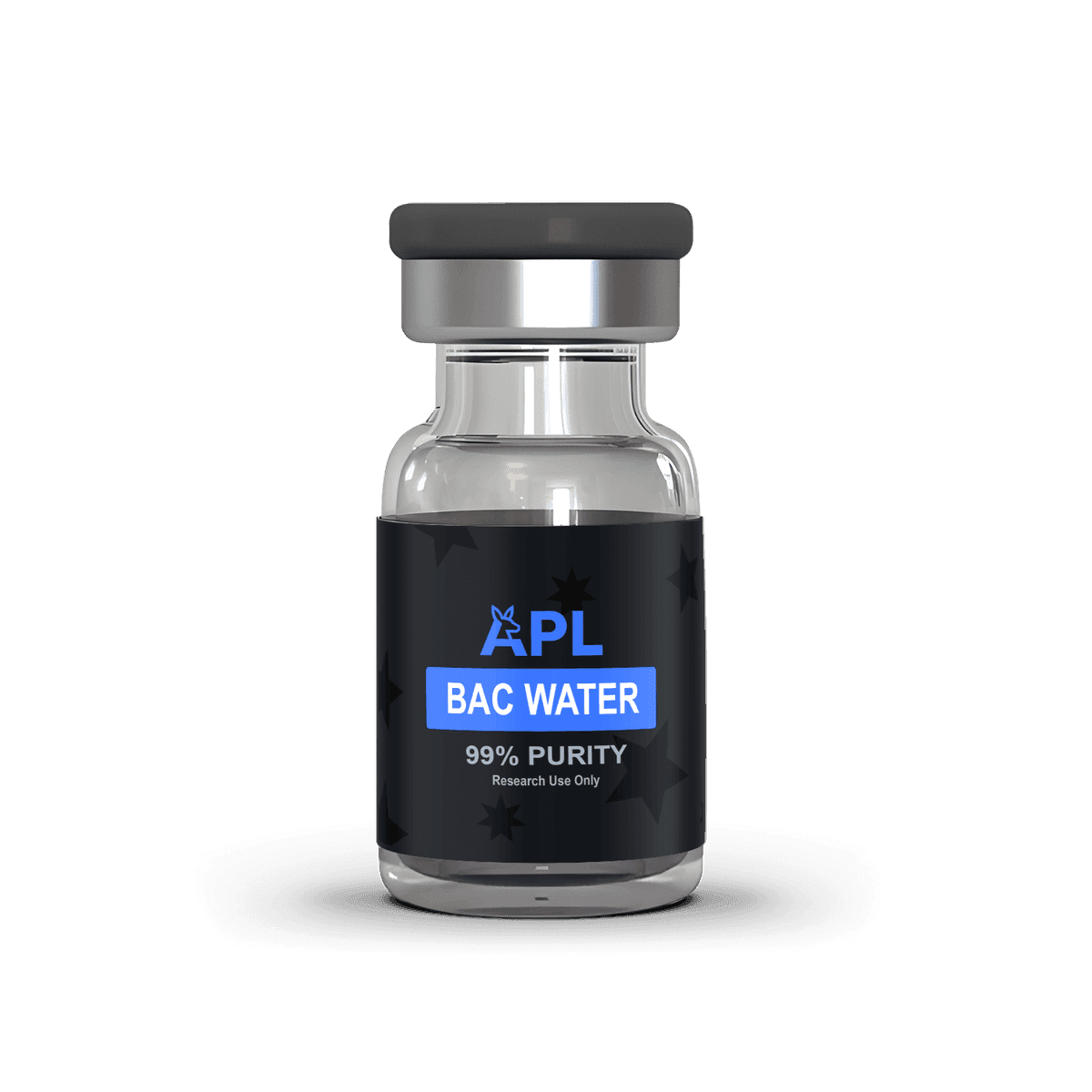
Format
Sealed multi-dose vial
Packaging
Single sealed vial, 3 mL or 10 mL
Lab supplies · Diluent
Lab-grade supply. Stocked in Australia.
A$25
Select options below
Size
Select one
Select your preferred options to continue.
Volume pricing: orders of 3+ items are 15% off — applied automatically at checkout.
Sterile, sealed multi-dose vial · Dispatched from Melbourne within 1 business day · 4.6★ on Trustpilot
Fast AU dispatch with tracked delivery.
Specifications
Bac (Bacteriostatic Water)
Sealed multi-dose vial · Single sealed vial, 3 mL or 10 mL
What it is
Bacteriostatic Water is a laboratory consumable: a sterile diluent supplied in a sealed multi-dose vial for reconstituting lyophilised research peptides.
Role in the workflow
The bacteriostatic preservative allows a sealed vial to be entered more than once, so a reconstituted stock can be drawn down across an assay series rather than prepared fresh for every run.
Handling
Wipe the septum before each withdrawal, keep the vial sealed and refrigerated once opened, and follow your internal SOP for how long an opened diluent vial stays in service.
For laboratory research use only. Not for human or veterinary use, and not for human consumption. Intended for in-vitro and pre-clinical research settings only.
The questions researchers ask most.
Lab supplies are listed by what they actually are — manufacturer, size, sterility and pack quantity — on each product page. They carry no purity figure and no Certificate of Analysis; those belong to the peptide batches.
Keep supplies sealed in their original packaging, in a clean, dry place out of direct light, and check the expiry printed on the pack before use.
Order by 2pm for same-day dispatch from our Melbourne warehouse, otherwise the next business day, with tracked delivery Australia-wide. No customs, no border delays — it's already in the country.
More in the full FAQ · Rated 4.6★ on Trustpilot
Researchers who bought Bac (Bacteriostatic Water) also stock these.
It lists the specifications of Bac (Bacteriostatic Water) (format: Sealed multi-dose vial with rubber septum; volumes: 3 mL and 10 mL; sterility: Sterile; intended use: Reconstitution diluent for lyophilised research peptides), current pricing, stock visibility and links to related lab supplies.
The bacteriostatic preservative allows a sealed vial to be entered more than once, so a reconstituted stock can be drawn down across an assay series rather than prepared fresh for every run.
Wipe the septum before each withdrawal, keep the vial sealed and refrigerated once opened, and follow your internal SOP for how long an opened diluent vial stays in service.
No. Bac (Bacteriostatic Water) are supplied as laboratory consumables for research use only. This page does not provide dosage guidance, treatment claims, or human or animal use instructions.