Volume pricing: 15% off orders of 3+ items$10 Express Post · free over $199
Save more by bundling your research compounds together.
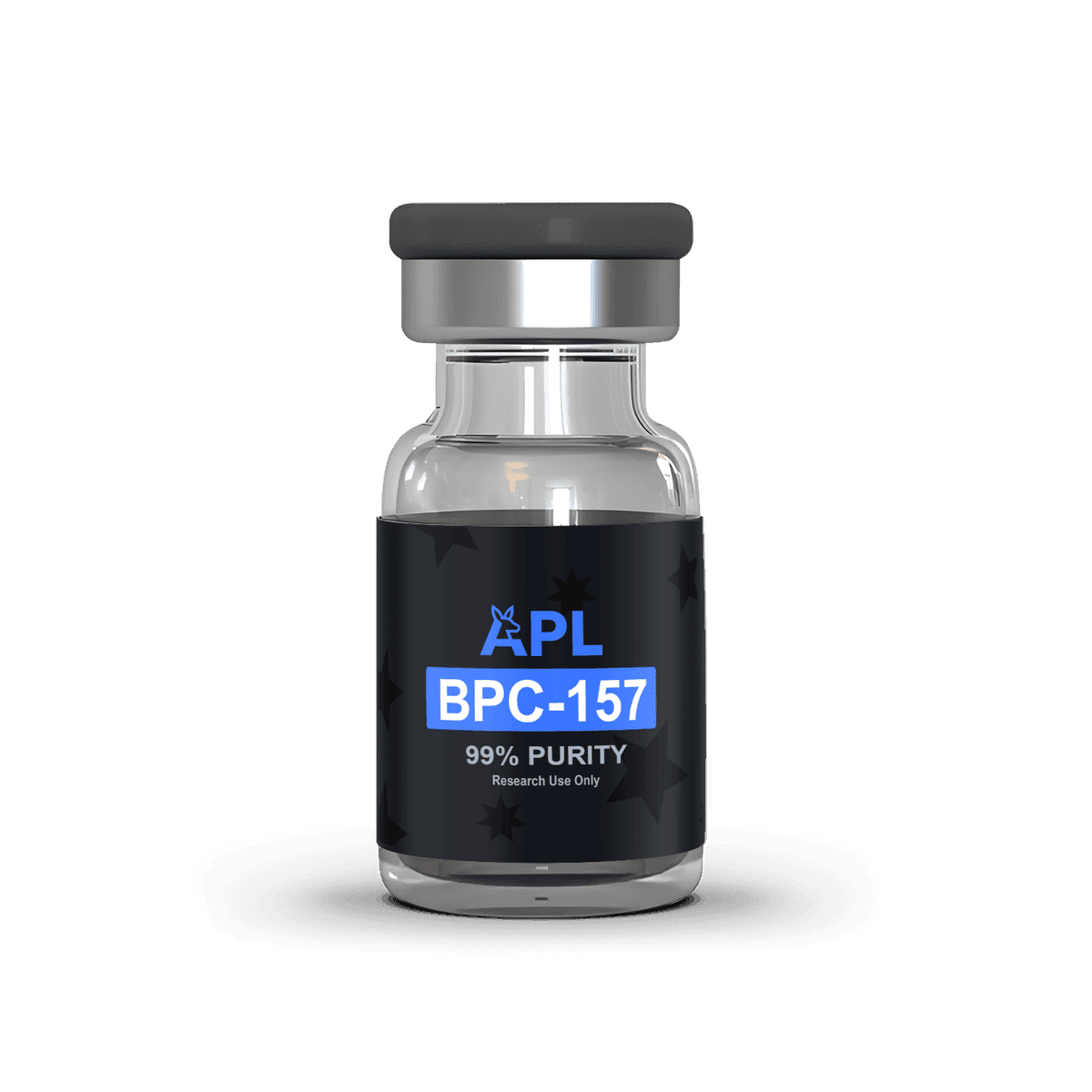
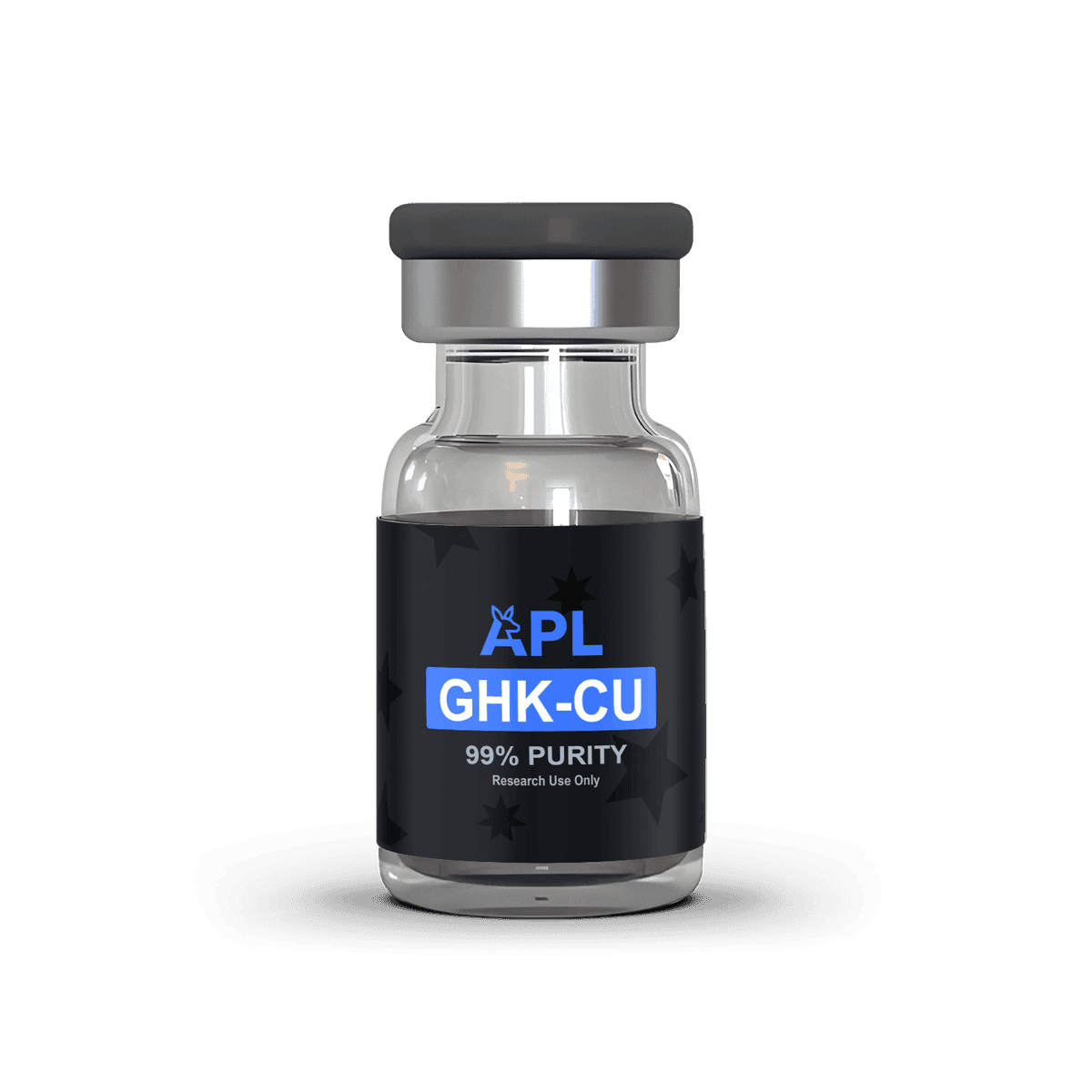
Two compounds that turn up together in tissue-repair work again and again. BPC-157 is studied for NO/eNOS signalling and VEGFR2-mediated angiogenic pathways; GHK-Cu is a copper-binding tripeptide studied in ECM gene-expression and wound-signalling assays. Complementary readouts on the same models, which is why labs rarely run one without the other. For laboratory research use only.
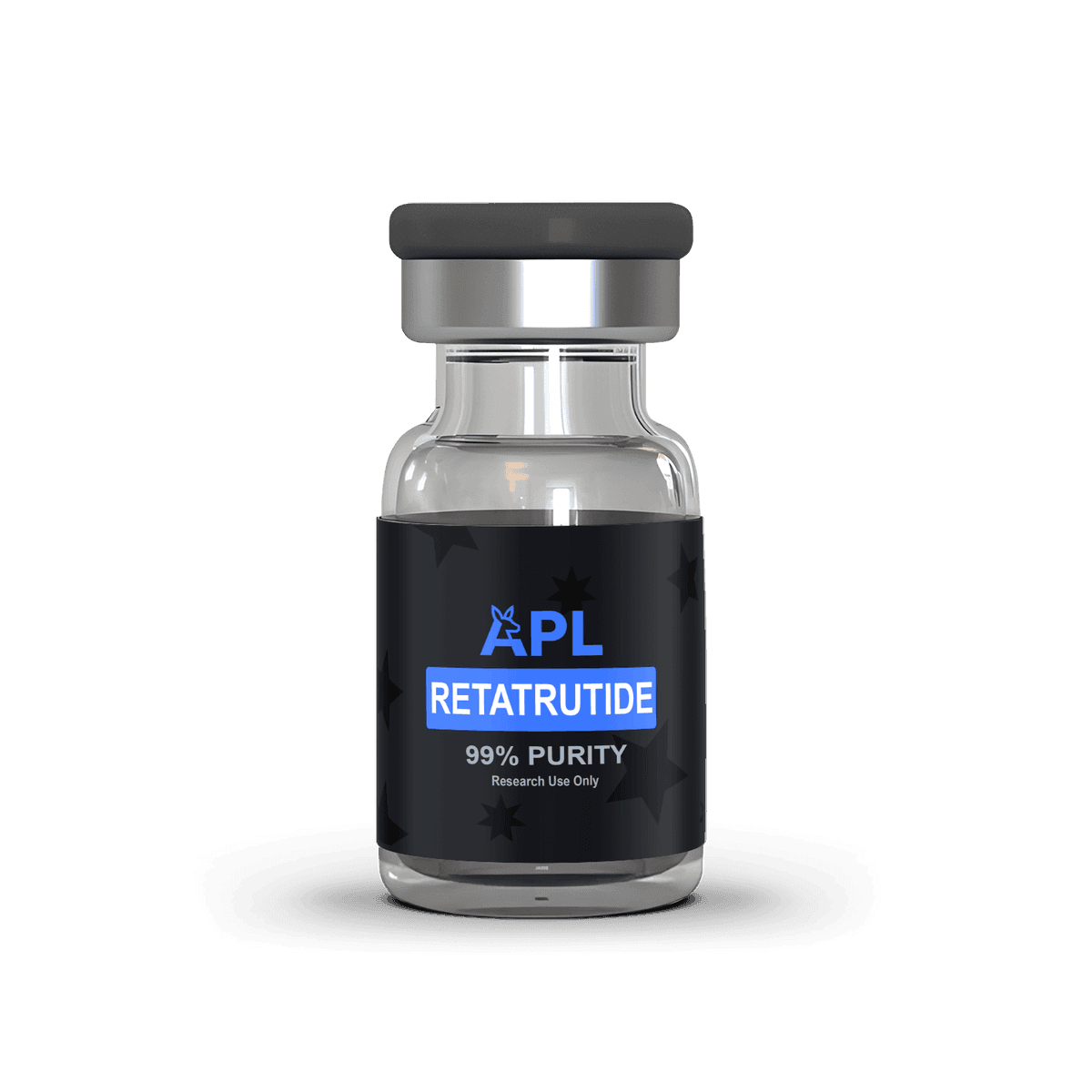
The most frequently co-ordered pairing in our catalogue — these two arrive in the same order more often than any other combination we ship. They cover unrelated pathways, which is why they pair: Retatrutide for incretin and metabolic-axis receptor signalling, GHK-Cu for copper-binding ECM and gene-expression assays. Both independently COA-verified, one shipment. For laboratory research use only.
The three compounds that appear together in more of our orders than any other combination. It exists because most benches running metabolic work also run a repair arm alongside it: Retatrutide for incretin pathway research, BPC-157 for angiogenic signalling, GHK-Cu for ECM and gene-expression assays. Three vials, one shipment, about 11% under buying them separately. For laboratory research use only.
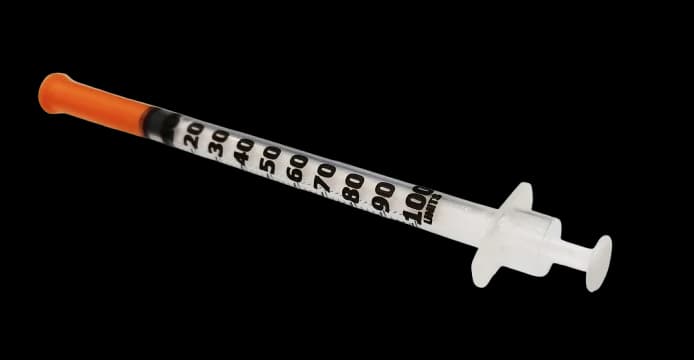
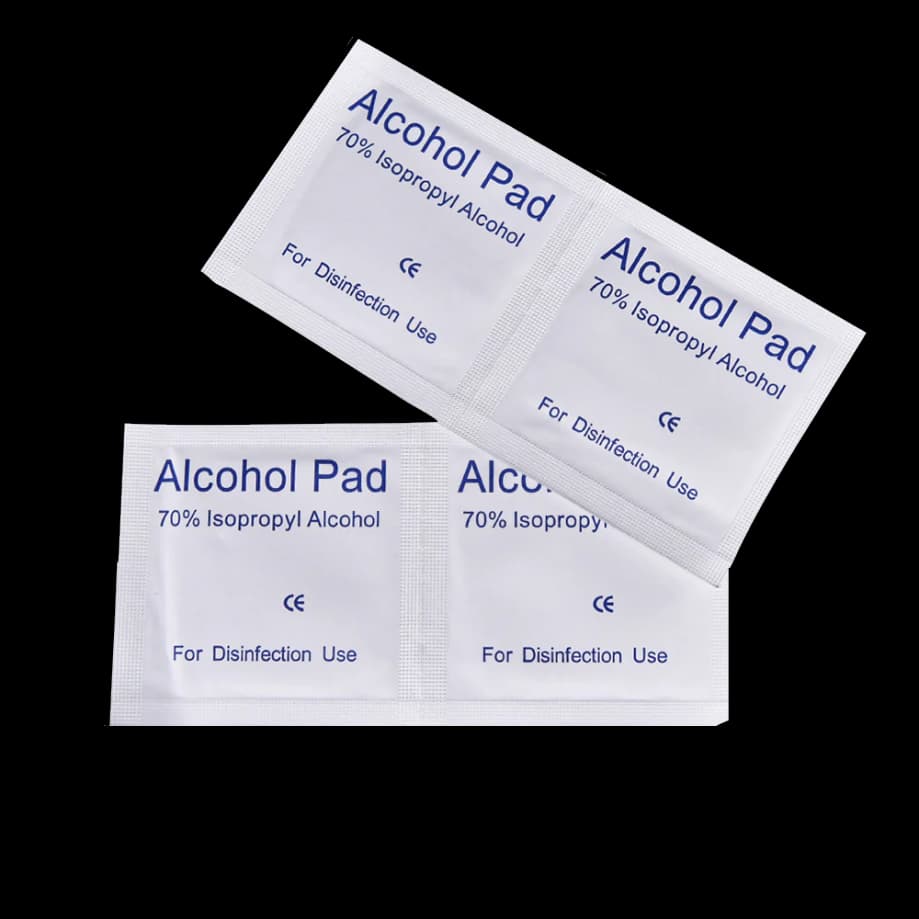
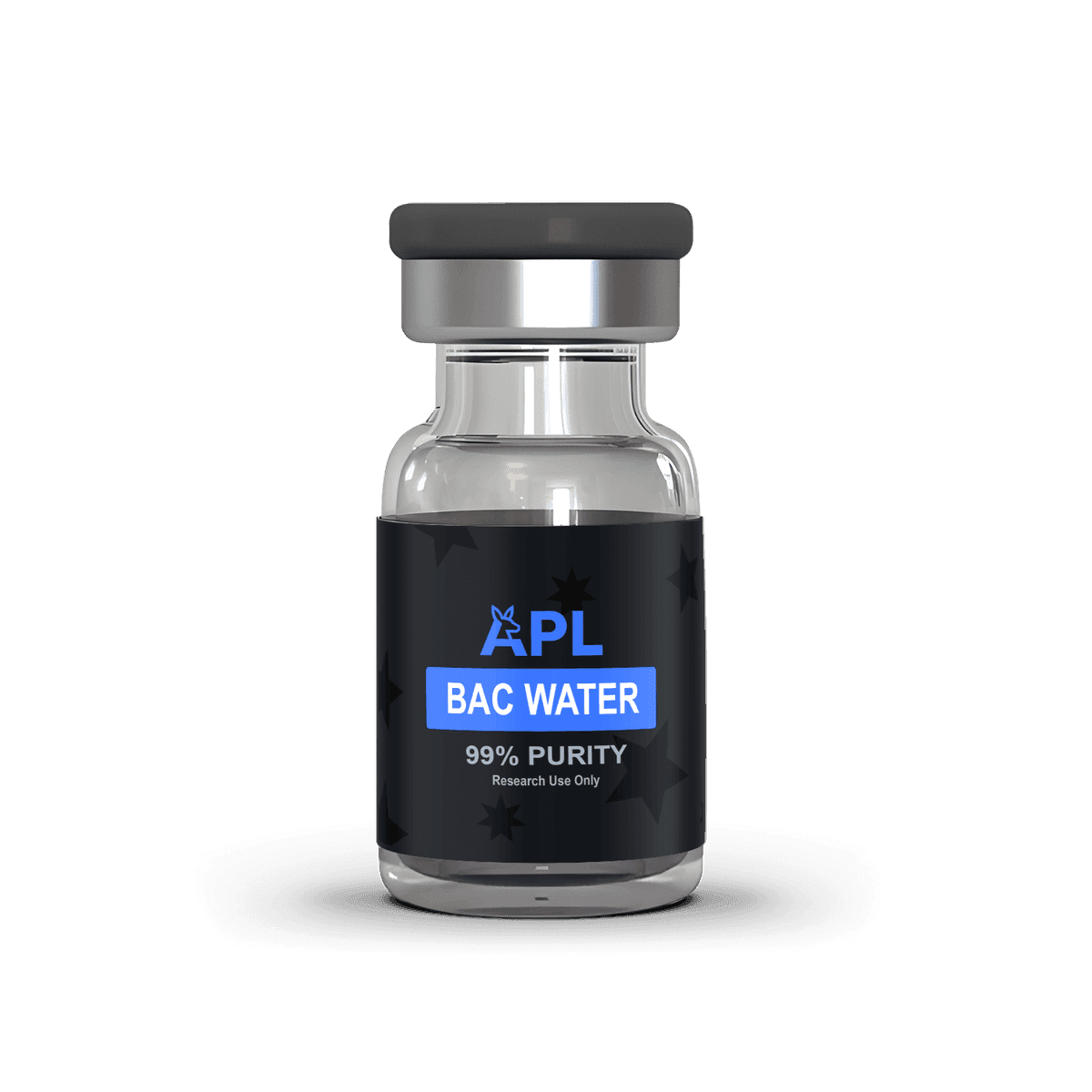
Everything a new bench needs in a single order: Retatrutide — our most-ordered research compound — plus the consumables every reconstitution protocol needs (bacteriostatic water, 10 insulin syringes, 10 alcohol wipes). It exists because first-time buyers almost always forget the supplies and end up placing a second order a week later. For laboratory research use only.
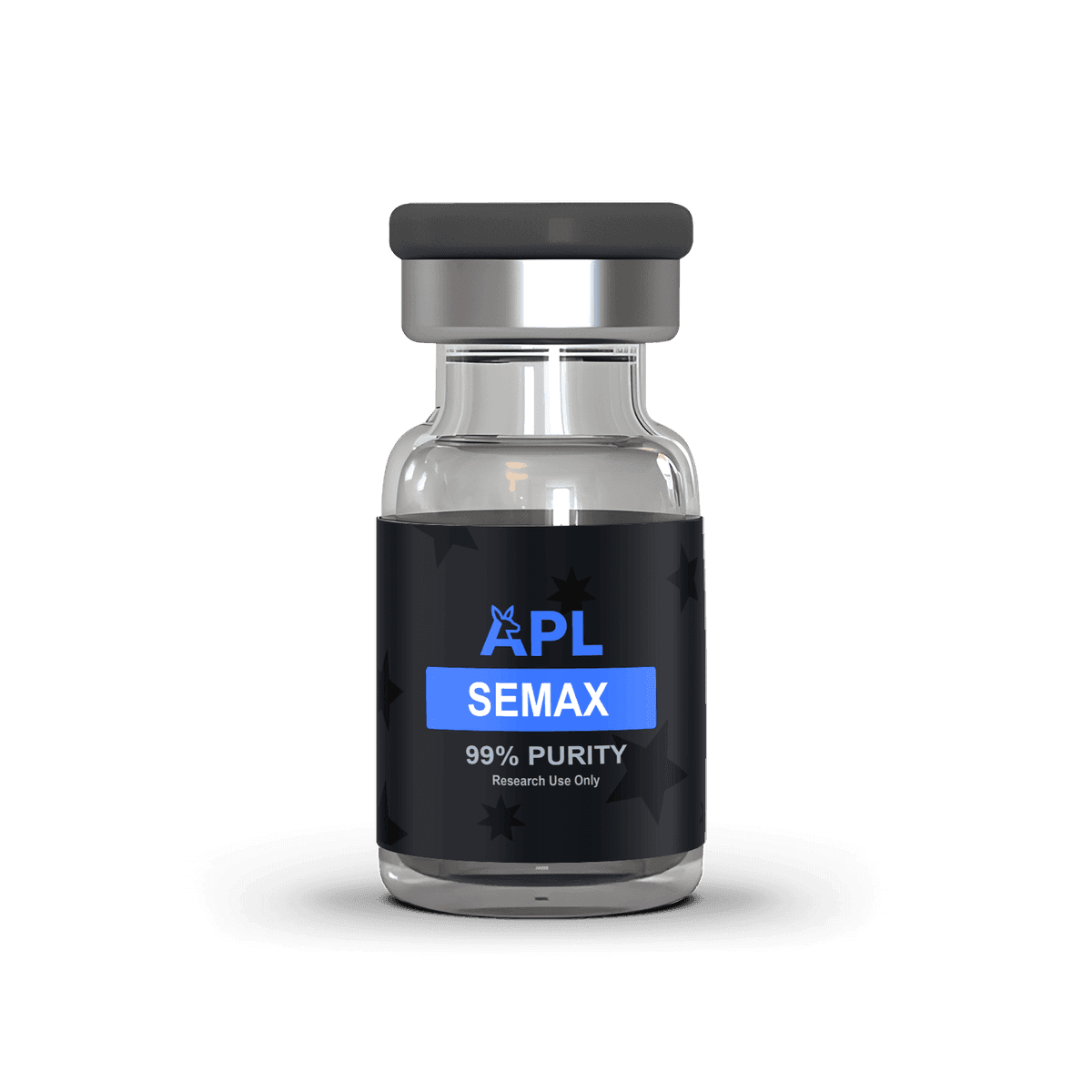
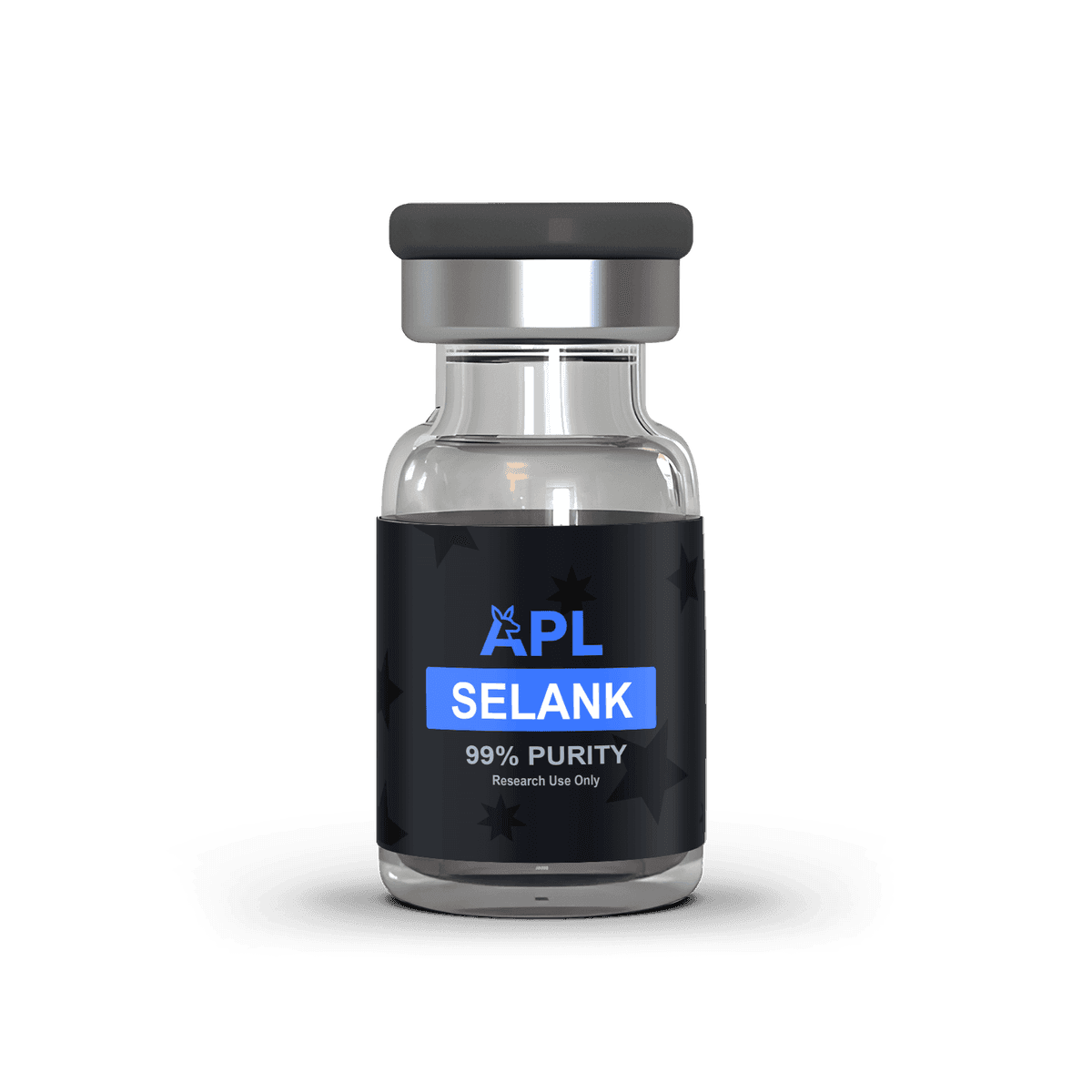
Two synthetic neuropeptides that appear in the same order almost every time either one is bought. Semax and Selank are both studied for receptor-signalling in cognitive models, and labs typically run them side by side as comparators rather than in isolation. For laboratory research use only.
Two vials of our single most-ordered compound at a twin-pack rate. It exists for labs already running Retatrutide work who want the next vial on the shelf before the current one runs out — repeat buyers order this configuration more than any other. For laboratory research use only.
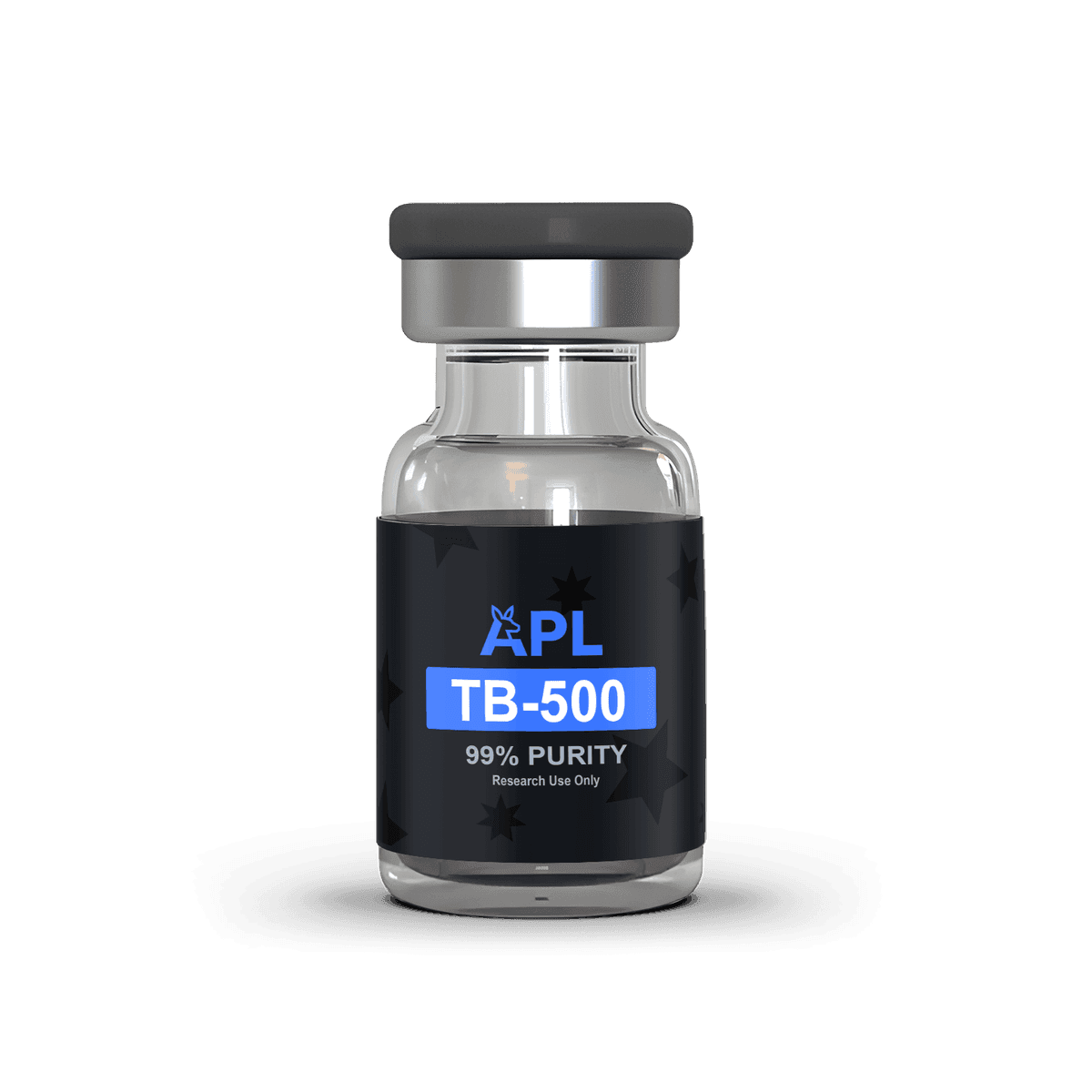
The classic pairing in tissue-repair research. BPC-157 is studied for NO/eNOS and VEGFR2-mediated angiogenic signalling; TB-500 is the thymosin β4 fragment (LKKTET motif) used in cell-migration and angiogenesis models. Two different mechanistic readouts on the same question, which is why they are rarely ordered apart. For laboratory research use only.